Consultation & evaluation
Review both partners where relevant, previous reports, medical history and the reasons IVF is being considered.
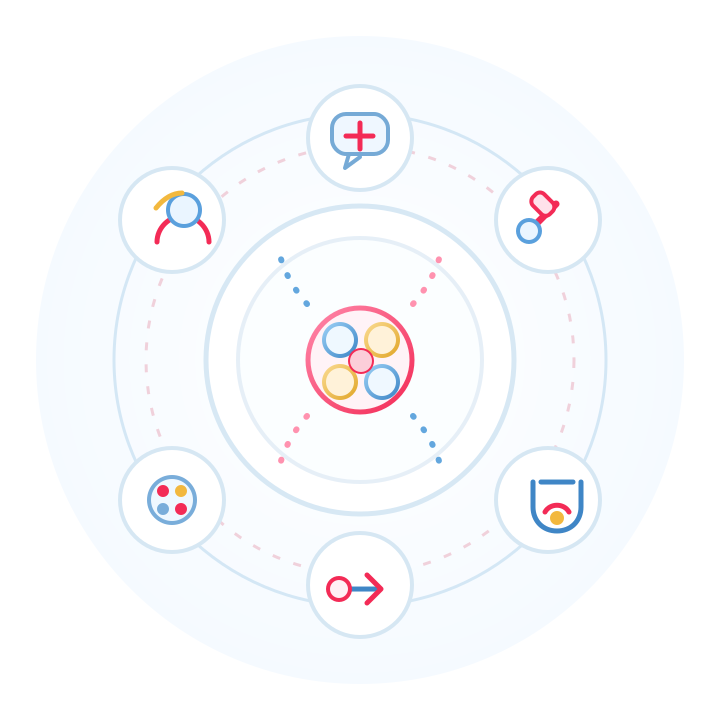
IVF is not one single procedure. It is a connected clinical and laboratory pathway that begins with evaluation and can include ovarian stimulation, egg retrieval, fertilisation, embryo development, embryo transfer and follow-up.
IVF may be discussed in different fertility situations, but the reason for recommending it matters. A treatment plan should be based on the couple's evaluation, age, reproductive history, previous treatment and other clinically relevant factors.
The exact protocol can differ between patients and cycles. These stages explain the broad pathway so that appointments, medications and laboratory decisions are easier to follow.
Review both partners where relevant, previous reports, medical history and the reasons IVF is being considered.
Medication and monitoring are individualised. The clinical team tracks response and adjusts the plan when needed.
When appropriate, mature eggs are collected after the planned trigger and monitoring stage.
A semen sample is prepared for fertilisation. The laboratory method depends on the treatment plan and findings.
Eggs and sperm are brought together using conventional IVF fertilisation or ICSI when clinically indicated.
The embryology team observes fertilisation and embryo development before the next clinical decision.
An embryo may be transferred when appropriate, with follow-up and pregnancy testing planned by the treating team.
IVF describes the assisted-reproduction cycle. ICSI is one laboratory fertilisation technique that may be used within an IVF cycle when clinically appropriate.
The laboratory allows fertilisation to occur without injecting a sperm directly into the egg. Whether this approach is suitable depends on the treatment plan and laboratory assessment.
Explore the IVF laboratoryICSI may be discussed for selected clinical or laboratory indications. It should not be presented as automatically better for every IVF patient.
Understand ICSI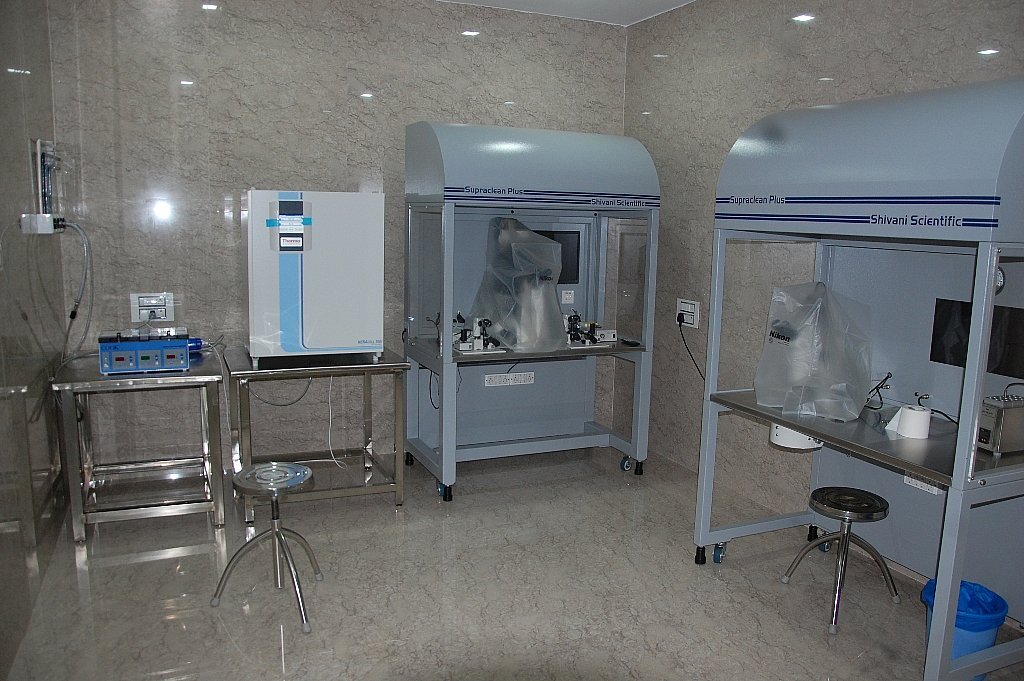
After egg retrieval, important parts of the IVF pathway move into the embryology laboratory. Fertilisation method, embryo culture, laboratory observations and communication with the clinical team all matter.
IVF is a medical treatment and individual risks vary. Your team should explain the medication plan, monitoring, procedure-related considerations, embryo-transfer approach and what symptoms or questions should prompt contact with the clinic.
Two patients can have different medication needs, laboratory procedures and treatment plans. Likewise, a single success-rate percentage is difficult to interpret without knowing the age group, treatment type, denominator and outcome being reported.
Review treatment-plan, medication and laboratory factors before asking for a current written estimate.
Explore IVF costs OUTCOMESAge, patient population, fresh or frozen transfer, denominator and outcome definition can change how a rate should be understood.
Understand outcomesUse the centre pages for current contact information, directions and public hours. Confirm specialist and procedure availability before travelling.
Near Agrasen Chowk, Telephone Exchange Road, Bilaspur, Chhattisgarh.
Jal Vihar Colony, Near Telibandha Talab, Raipur, Chhattisgarh.
Bring previous reports if available and ask why IVF is being considered, what the proposed stages are, what the laboratory plan involves and how costs and outcomes will be discussed for your situation.
This page provides general IVF information and does not replace individual diagnosis, medical advice, consent discussions or a treatment plan from a qualified clinician.